
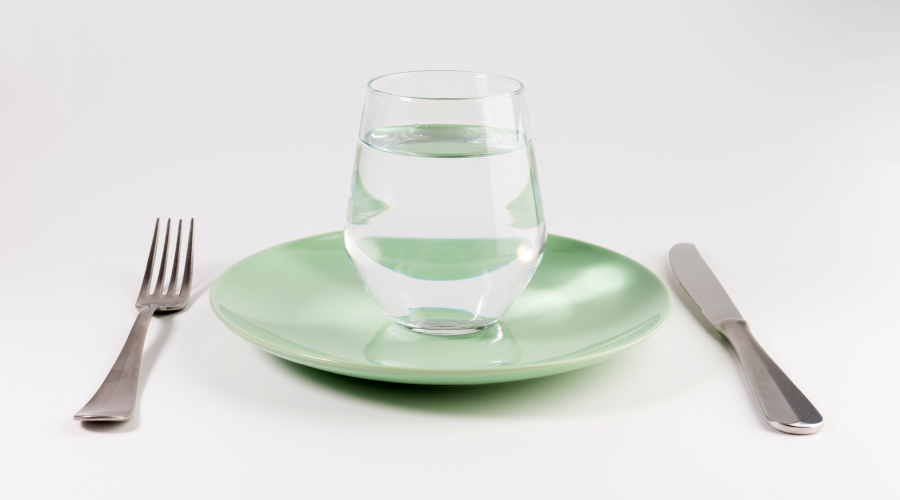
Water fasting means giving up all food and consuming only water for a specific period. It is one of the oldest forms of healing, practised for both spiritual growth and physical cleansing. If you’ve ever wondered what is water fasting, it’s simply allowing your body to rest from digestion so it can focus on repair
Lately, water fasting has gained attention as a quick way to lose weight. But it is much more than that. Early studies suggest it may help with cell repair( autophagy), improve metabolic balance, and even support heart health.
Still, this isn’t a one-size-fits-all approach. Fasting without proper supervision can do more harm than good. So before you try it, it’s important to know what really happens inside your body.
Water Fasting Meaning
Water fasting means consuming only water and avoiding all forms of food, juice, or calorie-containing beverages for a specific duration.
It’s a type of fasting where your body relies solely on stored energy reserves to function. Typically, water fasts can last from 24 hours to several days, depending on individual goals and medical supervision.
Across cultures, water fasting benefits have been tied to healing, discipline, and spiritual cleansing.
Fast-forward to today; Japanese monks still practice it. They don’t do it only to lose weight, but also to build discipline and not focus on mental noises. It, in turn, proves fasting was never about quick fixes.
What Happens Inside Your Body
Understanding the following stages can help you learn how to do a water fast correctly.
- Your sugar content reduces. Within a day, the glycogen stored in your liver and muscles is gone.
- After this, fat is another thing that will act. Your body turns fat into ketones. It is a cleaner fuel for both muscles and the brain.
- Autophagy comes in after this. That’s when your body breaks down damaged cells and recycles the parts.
The Benefits You Should Know About Water Fasting
Below are the scientifically observed water fasting benefits that may improve physical and mental well-being:
1. Your senses switch on
Suddenly, food smells incredible. A simple apple feels like a five-star dessert. Flavours hit harder. It’s as if the body flips a switch to help you hunt and notice food again, the way our ancestors once did.
2. Blood pressure eases
Medical supervision during fasting has shown potential reductions in blood pressure due to reduced digestive load.
3. May help in weight loss
With no calorie intake, the body burns stored fat for energy, resulting in temporary weight loss.
4. Hormones rebalance
While people expect weakness, the body ramps up growth hormone. It protects muscle, repairs tissue, and steadies metabolism.
5. Mental calm
The noise in the head gets quieter. Meals stop being on the schedule for the day. Anxiety loses its grip. For many, that mental stillness becomes the most addictive part of fasting.
Some even try the benefits of 3 day water fasting to experience quick changes or attempt a 7 day water fast before and after to see deeper transformation results.
Possible Side Effects
While water fasting benefits can be significant, there are also side effects to be aware of. These include changes in gut bacteria, skin health, sleep patterns, and hunger cycles:
- Gut reset: Bad bacteria that thrive on sugar lose their fuel. Good bacteria get room to grow.
- Skin clears: Acne often calms down as hormones like insulin drop.
- Sleep shifts: Some sleep more deeply, others less, but wake up refreshed. Both happen.
- Hunger changes: It’s not constant. Hunger comes in waves and gets easier with time.
- Food tastes different: After fasting, processed food feels dull. Fresh fruit or veggies taste amazing.
This also shows how dry fasting vs water fasting differs. Dry fasting removes both food and water, while water fasting allows hydration but still resets the system.
Who Should Avoid Water Fasting
Water fasting isn’t for everyone. Kids, pregnant women, people with eating disorders, or those with certain health conditions should avoid it unless a doctor is involved. Always do it with supervision.
Pay attention to signs to stop water fasting, like dizziness, confusion, chest pain, weakness, or abdominal pain. These are red flags your body gives you.
Why People Keep Coming Back
If fasting is so tough, why do people repeat it? Simple. It gives something that diets and supplements can’t.
- Less brain fog.
- A digestive system that finally rests.
- A cleaner relationship with food.
- No calorie counting.
- No portion tracking.
- Just water.
The water fasting benefits people describe often include mental clarity and a sense of discipline they can’t find elsewhere.
Final Thoughts
Water fasting shouldn’t be called a miracle cure. It won’t solve everything. But it does repair the systems of your body. People come out feeling calmer, focused and with a fresh perspective on food.
But you should do it carefully, break it wisely, and it stops being about “restriction.” It becomes about space for your body to reset and recover.
Frequently Asked Questions Related to Water Fasting Benefits
How long should you water fast?
You can go for 24-72 hours of water fasting to see water fasting results, but the time should be as per your prior health conditions only. You can also do longer water fasting under the supervision of a doctor.
What are the stages of water fasting?
Water fasting stages have phases including depleting glycogen, fat burning, cellular cleanup, and immune cell generation.
When does autophagy come in water fasting?
It will arise after 24 hours of water fasting. It starts a process of active cells cleaning out and cell regeneration.
Is it good to fast with water?
Fasting with only water can offer short-term benefits like improved insulin sensitivity and detoxification, but it’s not suitable or safe for everyone. Short fasts of up to 24 hours may be beneficial for healthy adults, while prolonged fasting should always be done under medical supervision to avoid dehydration, nutrient loss, and electrolyte imbalance.
Is water fasting good for the kidneys?
Short-term water fasting may give your kidneys a brief rest by reducing the body’s metabolic load, but prolonged fasting can actually harm them. Without proper nutrient and electrolyte intake, it can lead to dehydration and strain kidney function-especially in people with preexisting kidney issues. Always consult a doctor before attempting any water fast.


